Biogas
Biogas to Biomethane
Biogas is a renewable energy source produced through the anaerobic digestion of organic waste, making it an essential component in the push for cleaner energy. The process involves breaking down organic materials in an oxygen-free environment, leading to the production of biogas primarily composed of methane (CH₄) and carbon dioxide (CO₂). This process also generates small quantities of trace gases like hydrogen sulfide (H₂S), ammonia (NH₃), and water vapor.
While biogas is a promising energy source, it requires upgrading to biomethane to enhance its quality and utility for most applications. This upgrade involves removing impurities and compressing the methane-rich gas to produce Compressed Biogas (CBG), making it a viable alternative to fossil fuels.
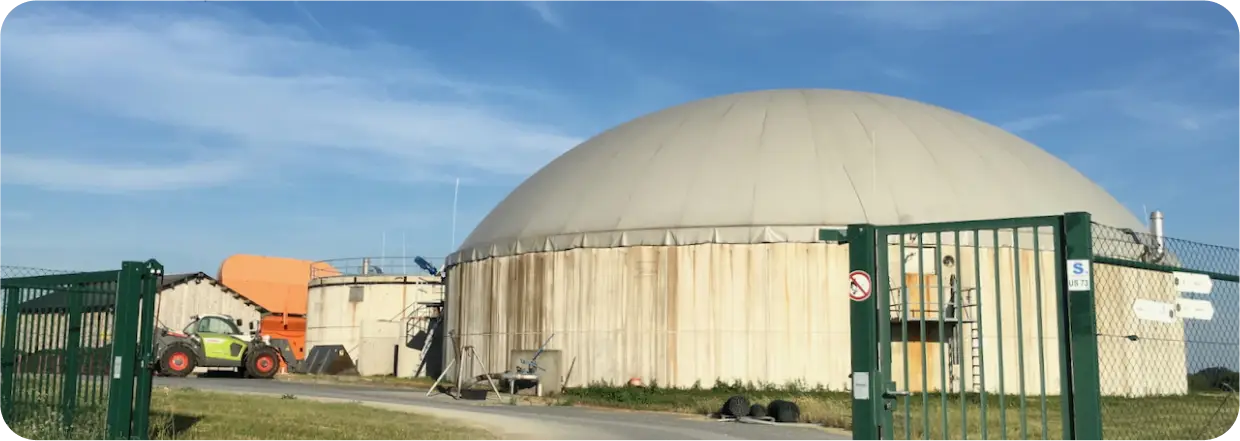
Transforming Biogas into BioCNG: The Upgrading Process and Its Key Benefits for Clean Energy
Raw biogas, a renewable energy source, typically contains 50-60% methane (CH₄), 40-50% carbon dioxide (CO₂), 1-3% hydrogen sulfide (H₂S), and 1-2% moisture. While methane is the key component utilized for energy production, the presence of CO₂ and H₂S lowers its energy content and limits its use in certain sectors. To optimize biogas for broader applications, an upgrading process is used to remove these impurities. This process enhances the methane content to over 95%, producing BioCNG or Compressed Biogas (CBG), a much cleaner and more energy-dense fuel. The upgraded biogas meets the quality standards required for vehicle fuel and industrial applications, providing a sustainable alternative to conventional fossil fuels.
As a vehicle fuel, CBG can replace LPG or CNG, offering a cleaner, more environmentally friendly option for transportation. Additionally, CBG is used in industrial applications such as heating, electricity generation, and as a feedstock for various processes. By replacing traditional fuels with BioCNG/CBG, carbon emissions are reduced, and the transition to a more sustainable energy model is supported, contributing to a cleaner, more renewable energy future.

Biogas Production Process: From Organic Waste to Clean Energy
The production of biogas begins with anaerobic digestion, a biological process where microorganisms break down organic materials in an oxygen-deprived environment, typically at thermophilic temperatures (around 50-60°C). The process occurs in digesters, where several factors influence the quality and quantity of biogas produced:
Substrate quality:
The type of organic material being digested affects the yield of biogas.
Particle size and type:
Smaller particles are easier to break down and produce higher yields.
Temperature:
Maintaining optimal temperatures promotes efficient digestion.
Micro and macronutrients:
The availability of nutrients supports microbial growth, which is vital for methane production.
Mixing:
Proper mixing ensures homogeneity, preventing gas stratification and promoting efficient digestion.
Hydraulic Retention Time (HRT) the time it takes for the material to remain in the digester also plays a crucial role in ensuring the growth of methane-producing bacteria. Optimizing HRT minimizes the release of fresh bacteria with the digestate, improving overall efficiency.
Raw Biogas Composition
Raw biogas is primarily made up of:
- Methane (CH₄): 50-60%
- Carbon Dioxide (CO₂): 40-50%
- Trace Gases: Including hydrogen sulfide (H₂S), ammonia (NH₃), and water vapor.
While methane is the primary energy component, the presence of CO₂ and trace contaminants lowers the energy content of raw biogas. To maximize its potential, biogas upgrading techniques are employed to purify the gas, removing CO₂ and impurities to produce biomethane. This purified biomethane can be further compressed to compressed biogas (CBG), typically stored at pressures of 200-250 bar, making it more transportable and easier to store.
Understanding the Key Phases in Biogas Production Biogas Production
The anaerobic digestion process involves four critical stages:
Hydrolysis:
The breakdown of complex organic matter (e.g., carbohydrates, proteins, fats) into simpler molecules like sugars, amino acids, and fatty acids.
Acidogenesis:
The conversion of simpler molecules into volatile fatty acids, hydrogen, and carbon dioxide.
Acetogenesis:
Volatile fatty acids are converted into acetic acid, hydrogen, and carbon dioxide.
Methanogenesis:
Methane-producing bacteria (methanogens) convert acetic acid, hydrogen, and carbon dioxide into methane (CH₄) and carbon dioxide (CO₂), completing the biogas production cycle.
Advantages of Compressed Biogas (CBG) as a Sustainable Fuel and Energy Solution
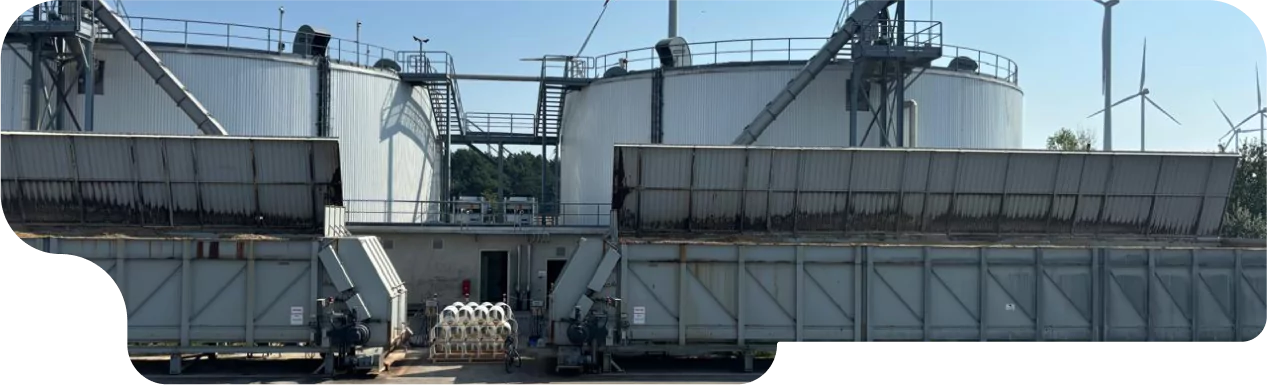

Renewable Energy Source:
CBG is a clean, renewable energy alternative to fossil fuels, derived from organic waste through anaerobic digestion.

Reduced Carbon Emissions:
The use of CBG helps reduce greenhouse gas emissions, contributing to a lower carbon footprint and a cleaner environment.

Energy Storage and Transport:
Compressing biogas into CBG makes it easier to store and transport, providing flexibility in distribution to areas without direct access to biogas production sites.

Sustainability:
CBG supports sustainable waste management practices by utilizing organic waste, such as agricultural residues and food scraps, to generate energy.

Reduced Dependency on Fossil Fuels:
By substituting CBG for conventional fuels like natural gas, CBG helps reduce reliance on non-renewable energy sources.

Economic Benefits:
CBG production supports local economies by creating jobs in renewable energy production, waste management, and infrastructure development.

Energy Security:
The local production and use of CBG enhance energy security by reducing dependence on imported energy resources.

Improved Air Quality:
CBG combustion emits lower levels of pollutants compared to conventional fossil fuels, contributing to better air quality and public health.

Flexible Applications:
CBG can be used in various sectors, including transportation (as a vehicle fuel), electricity generation, and industrial processes, offering versatile applications.

Waste-to-Energy Solution:
CBG provides a valuable solution for converting waste into energy, reducing landfill waste and the associated environmental impacts.

Enhanced Efficiency:
Upgrading biogas to biomethane and compressing it increases the energy density, making it a more efficient and practical energy source compared to raw biogas.